

What Competitive Gaming Teaches You About Risk And Reward
 1
1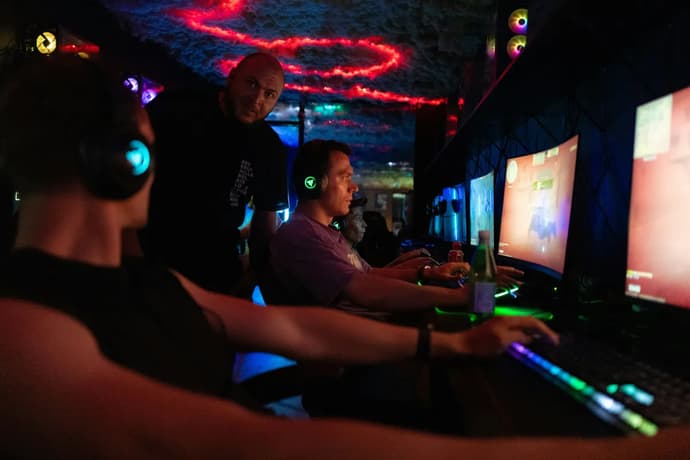
Queue into any ranked match and you’ll see it right away. One player dives in without thinking, another holds position and waits.
Both believe they’re making the right call. Sometimes the risky move wins the round. Other times, it throws the game completely.
That push and pull sits at the center of almost every competitive game. You don’t just play better over time, you start to understand when to take a risk and when to step back.
Why Risk Feels Different In Games
Risk in games doesn’t always look obvious. It can hide inside small decisions that seem harmless in the moment.
A Simple Example
You’re low on health but still chase a kill.
It feels like a quick win, but one mistake turns it into a lost round. Another player in the same situation backs off, resets, and plays the next moment with full control.
Neither move looks dramatic, but the outcome can change everything.
Pressure Changes Choices
Under pressure, players tend to rush. Hands move faster, decisions come quicker, and mistakes slip in.
That’s where risk often shows up. Not because someone planned it, but because they didn’t slow down enough to think.
How Better Players Think About It
Strong players don’t avoid risk completely. They just treat it differently. Instead of reacting, they weigh what they gain against what they might lose.
You’ll often notice they:
- Check their position before committing
- Think about what happens after the move, not just during it
- Accept smaller wins instead of forcing big plays
- Stay aware of timing instead of acting instantly
It doesn’t look flashy, but it works more often than not.
Small Decisions Add Up
One risky move might not decide a full match, but repeated choices start to build a pattern. Over time, those patterns shape results.
A player who keeps forcing fights will lose more rounds than expected.
Another who picks moments carefully might win fewer flashy plays but ends up with more consistent results.
That difference becomes clear over dozens of games, not just one.
Tools And Awareness
Some players improve just by playing more. Others start paying attention to patterns. They look at what works, what fails, and why certain choices lead to better outcomes.
Outside of gaming, similar thinking shows up in other areas where decisions matter. People who want to understand patterns often use tools to break things down visually.
You’ll see mentions of things like a MetaTrader 5 PC download in those discussions, not because it’s related to gaming directly, but because it lets people study movement, timing, and patterns in a clear way.
The idea stays the same. You don’t rely on guesses. You look at what actually happens.
When Playing Safe Becomes A Problem
Playing safe sounds like the better option, but it can also hold you back. Some players avoid risk so much that they miss chances to win.
Signs You’re Too Careful
- You hesitate even when you have an advantage
- You wait for perfect situations that rarely come
- You let opponents take control without pressure
Safe play works best when it’s balanced. Too much caution can be just as limiting as too much risk.
Finding The Balance
Good players sit somewhere in the middle. They don’t rush every fight, but they don’t avoid them either.
Balance comes from experience. After enough matches, you start to recognize situations faster. You know when a move is worth it and when it isn’t.
You don’t need to guess as much. You’ve seen similar moments before.
Final Thoughts
Risk and reward shape every competitive game, even when you don’t notice it. Improvement doesn’t come from removing risk completely.
It comes from understanding it. Once you start paying attention to your decisions, patterns begin to show.
Some choices lead to consistent results, others don’t. The more you notice that difference, the more control you gain over how you play.
Frequently Asked Questions
Do all competitive games rely on risk and reward decisions?
Yes, even slower games include trade-offs. Strategy, timing, and positioning always involve some level of risk, even if it isn’t obvious at first.
Can aggressive players still succeed long term?
They can, but only if they learn when to hold back. Pure aggression without control usually leads to inconsistent results over time.
How can you improve decision-making in games?
Reviewing past matches helps a lot. Watching replays or thinking through key moments can show where better choices were possible.
Is game sense more important than mechanical skill?
Both do matter, but strong game sense often gives players a competitive edge. Understanding situations can make up for slower reactions or less precise mechanics.

Kateryna Prykhodko is a creative author and reliable contributor at EGamersWorld, known for her engaging content and attention to detail. She combines storytelling with clear and thoughtful communication, playing a big role in both the platform’s editorial work and behind-the-scenes interactions.

 Riot Announces Major Changes to the VCT Partnership Program Starting in 2027Riot Games opens up the Valorant Champions Tour in 2027—new format, more tournaments, and шанс for every team.
 stawraith
 Fortnite Arenas Boxfights: Everything You Need To Know About Epic's Official Boxfight ModeEpic Games launches Arenas Boxfights in Fortnite on April 9 — a ranked 16-player boxfight mode with free cosmetic rewards.
 vitaliiD
 Crimson Desert Dimensional Labyrinth Abyss Puzzle — Full Path and SolutionCrimson Desert's Dimensional Labyrinth Abyss puzzle requires Force Palm, Axiom cores, and four silver circles to solve.
vitaliiD
Crimson Desert Dimensional Labyrinth Abyss Puzzle — Full Path and SolutionCrimson Desert's Dimensional Labyrinth Abyss puzzle requires Force Palm, Axiom cores, and four silver circles to solve.
vitaliiD How to Enter Lioncrest Manor — Strongbox Puzzle Solution for Crimson DesertCrimson Desert's Lioncrest Manor requires a second-floor window climb — here's how to get inside.
vitaliiD
How to Enter Lioncrest Manor — Strongbox Puzzle Solution for Crimson DesertCrimson Desert's Lioncrest Manor requires a second-floor window climb — here's how to get inside.
vitaliiD