

The Story of Competitive Gaming in Canada
 17
17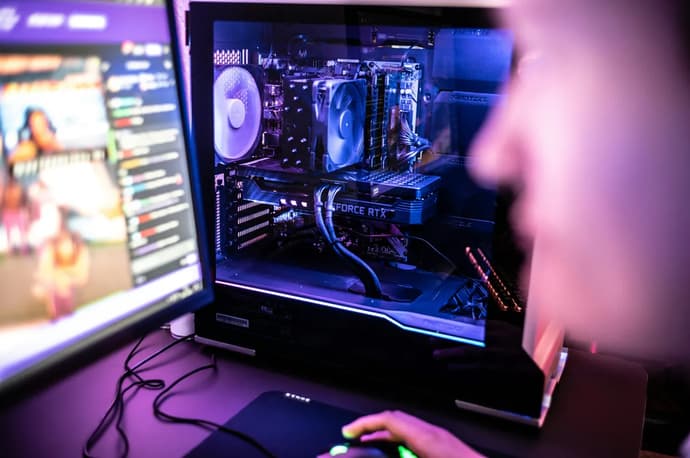
A lot of people still imagine esports as something happening somewhere else. South Korea, maybe the U.S., maybe big arenas in Europe. Canada is not the first country to come to mind in that regard. But if you spend time around gaming communities here, especially in the big cities like Toronto, Montreal, or Vancouver, it’s obvious that competitive gaming has grown way past the “friends playing online” stage. Walk into a gaming café during a weekend tournament and you’ll see players setting up like athletes. Headsets. Mousepads they swear by. Teams talking through strategies between rounds. Some of them are still students. Some stream on the side. A few are already part of small esports organizations. It’s not massive yet. But it’s definitely real.
Where Canadian Players Actually Start
Most competitive players here don’t start in organized tournaments. Competitive playing usually starts by, well, playing and climbing online ladders. Ranked matches in games like Counter-Strike, Valorant, Rocket League, or League of Legends are usually the first proving ground. If someone keeps climbing those ladders, people start noticing. Teammates invite them to amateur tournaments. Discord communities form around local players. Eventually some of them move into real competitions. Sometimes it’s a local LAN event. Sometimes it’s an online tournament with a small prize pool. At first the reward might be a few hundred dollars split across a team. But for a lot of players, that first win changes how they look at the whole thing.
Canada’s Quiet Tournament Scene
Canada actually hosts more competitive gaming events than people realize. They’re just not always huge stadium productions. Gaming conventions often include tournaments. Universities organize inter-campus competitions. Even small gaming cafés sometimes host events where local teams show up to test themselves, sometimes in the LAN party concept. These tournaments aren’t about fame. They’re about proving you can perform under pressure. And for players trying to break into the scene, that matters more than anything.
Let’s Talk About the Money
This is where expectations usually get a little unrealistic. Over the years, esports prize pools became bigger and it’s easy to assume that every competitive player is making a lot of money. But those are the very top events. For most players, income comes from a mix of smaller things: tournament prizes, streaming, sponsorships, or content creation. Some players coach newer teams. Others earn money through gaming-related partnerships. Winning a tournament might cover rent for a few months. It doesn’t automatically turn someone into a millionaire. Still, prize money is part of what attracts players to the competitive scene. There’s always the idea that the next tournament might be the one that changes everything.
The Wider Online Gaming World
Competitive gaming sits inside a much broader online entertainment culture. Canadian players don't just game competitively — between tournaments and ranked sessions, many spend time across different corners of the internet. Some follow betting markets around their favourite esports events. Others wind down on trusted online casinos available in Canada, where regulated platforms offer a different kind of digital entertainment. It's the same audience, just in different modes depending on the evening.
Streaming Changed the Path
Ten years ago, competitive players mostly relied on tournament results to get noticed. Now streaming plays a huge role. A Canadian gamer who builds an audience on Twitch or YouTube can earn income even before winning major events. Viewers follow personalities as much as gameplay. Some players are known more for their streams than their tournament results. That changes the math. Instead of needing one massive win, players can slowly build a community around their gaming.
Where Things Are Heading
Canada probably won’t suddenly dominate global esports. Countries with longer esports histories still have an advantage. But the foundations are there. Strong internet infrastructure. A huge gaming population. Universities beginning to treat esports more seriously. And a generation that grew up playing online games every day. This made competitive gaming move from the back to the front, and even the main stage. For most people in the scene, though, the motivation is still pretty simple. They like competing. The money, the tournaments, the streaming audiences, those are all possibilities down the road. But it usually starts with the same thing it always did. Someone loading into a match and thinking, “I can beat these guys.”

Kateryna Prykhodko is a creative author and reliable contributor at EGamersWorld, known for her engaging content and attention to detail. She combines storytelling with clear and thoughtful communication, playing a big role in both the platform’s editorial work and behind-the-scenes interactions.

 ESL One Birmingham 2026 Group Stage OverviewESL One Birmingham 2026 Group Stage Summary: results, most exciting matches, and playoffs prediction.
 Dima Ostapchuk
 ESL One Birmingham 2026 Group Stage Final Day Results and Playoffs Day 1 ScheduleDiscover results of ESL One Birmingham 2026 Group Stage Day 4 and Playoffs Day 1 predicitions.Dima Ostapchuk
 Crimson Desert: How To Fast TravelMaster fast travel in Crimson Desert by unlocking Abyss Nexuses and Cressets for quicker movement across Pywel.
 stawraith
 How to Get Mounts in Crimson DesertMounts in Crimson Desert aren’t just for travel — they impact combat, exploration, and progression. Learn how to tame, unlock, and upgrade horses, bears, wyverns, and more.stawraith
 #831
#831 AKA HERO KAJO
 #337
#337 MANA eSportsWatch match